
Guide
Why We Get Out-of-Office Anxiety
And How to Actually Disconnect
A guide to understanding PTO guilt, managing the fear of falling behind, and setting up your workflow so you can log off without looking back.
The reality of vacation panic
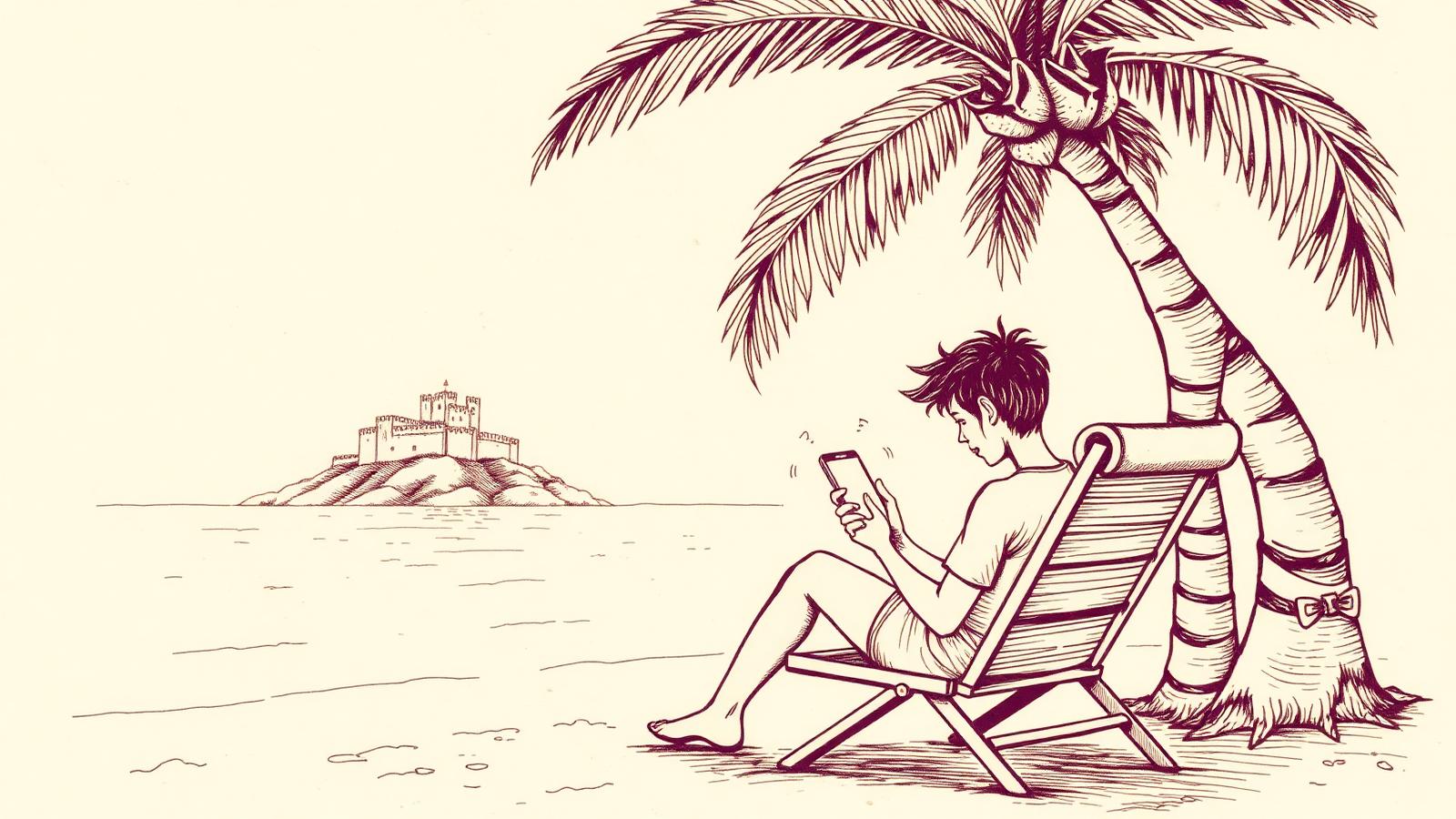
You've booked the tickets, set your out-of-office autoresponder, and closed your laptop. Three days into the beach, you catch yourself squinting at your phone, scrolling through Slack.
If that sounds familiar, you're dealing with PTO anxiety.
Recent studies paint a stressful picture of modern work culture:
- Over 60% of professionals admit to checking work email while on holiday.
- Nearly 60% of employees feel anxiety, tension, or outright guilt when they take earned time off.
- 75% of workers have taken a work call from a sun lounger.
We've traded actual rest for "working from a different location". Staying plugged in doesn't make you a better colleague; it just burns you out faster.
The three barriers keeping us from logging off
To get past vacation anxiety, it helps to name what's driving it.
1. The fear of falling behind
The modern inbox moves at speed. Research shows that nearly 31% of employees point to the fear of immediately falling behind as the main driver of their vacation stress. We don't check email because we want to work; we check it because we're afraid of the cognitive shock of returning to hundreds of unread messages.
2. Vacation shaming and guilt
61% of workers report active guilt when they request time off. Many worry that taking a break makes them look less committed, or that their absence will dump extra work on their colleagues.
3. Lack of trust in the cover
If you haven't properly briefed your replacement, you'll spend your vacation worrying they'll make a mistake, miss a deadline, or ping your personal phone anyway. Telling, then: 96% of managers say they do not expect their people to be reachable on holiday. The pressure to stay connected is almost entirely self-imposed.
Building a frictionless boundary before you leave
You don't need more willpower to put the phone down; you need a better system. A few practical moves before you go:
- Set explicit boundaries; tell the team plainly: "I'm deleting Slack from my phone. If the building is literally on fire, John knows how to reach my personal number."
- Give your cover an actual mandate; write down exactly what decisions they can make in your absence. Empowered covers don't need to text you.
- Don't leave on a Friday afternoon; if you can, make your last day a Thursday. Use Friday to tie up loose ends, review the handover, and ease into the break.
Come back to a recap, not an exploded inbox
The biggest driver of PTO anxiety is the dreaded first day back. No one wants to spend eight hours wading through old threads and Slack channels just to figure out what happened while they were gone.
That is exactly why HoldTheFort was built.
The cure for return-to-work dread
HoldTheFort replaces the chaotic email thread with a single, structured space. While you're away, your team drops brief updates into your designated project topics.
When you return, you don't open a messy inbox. You open HoldTheFort and get a clean, AI-generated summary of exactly what happened.
For the practical prep work, pair this with our vacation handover email template and, if you're a manager, the project handover checklist.
You earned your vacation. It's time to actually take it.
Ready to disconnect without the guilt?
Set up your first handover in under 60 seconds, and come back to a recap instead of an inbox.
Explore HoldTheFort features